Whitewater Rafting Guide
A Complete Guide for First-Timers, Families, and Adventure Seekers
Whitewater rafting is one of the best ways to experience Colorado’s rivers - whether you’re floating peacefully through mountain scenery or paddling hard through exciting whitewater. But if you’ve never rafted before, or you’re planning a trip for your family, it’s normal to have questions.
This guide breaks down everything you need to know before booking a rafting trip: how whitewater is rated, what rafting is really like, how safe it is, what to wear, and how to choose the right river section for your group.
As a small, family-run rafting company based in the Arkansas River headwaters, we’ve spent decades helping guests find the trip that fits them best - not just the biggest rapids. Whether you’re visiting Colorado for the first time or returning for another river adventure, this guide will help you feel confident, prepared, and excited to get on the water.
What Is Whitewater Rafting?
Whitewater rafting is a guided river adventure where participants ride in an inflatable raft while navigating moving water and rapids. Trips range from calm, scenic floats with gentle splashes to technical, high-energy runs through continuous whitewater.
Most rafting trips are guided, meaning a professional river guide steers the raft, gives paddle commands, and manages safety throughout the trip. There is also the option for an oar raft which allows guests to just hold. This makes rafting accessible even for people with no prior experience.
Rafting trips typically last half a day or a full day, depending on the river section and water levels. Some rivers also offer multi-day trips that include camping and meals along the river corridor.
Understanding Whitewater Rapid Classifications
One of the most common questions people have is: How intense is rafting, really? The answer depends on the rapid classification system, which rates rapids from Class I to Class VI.
Whitewater Classes Explained
-
Class I – Easy
Calm moving water with small ripples. Minimal paddling required. Great for sightseeing and relaxing floats. -
Class II – Mild
Small, splashy rapids with clear channels. Fun and approachable for beginners and families. -
Class III – Moderate
Larger waves, stronger currents, and more frequent rapids. Requires active paddling and following guide commands. -
Class IV – Advanced
Powerful, technical rapids with precise maneuvering. Best for physically fit participants comfortable with adventure. -
Class V – Expert
Extremely challenging whitewater with serious hazards. Reserved for expert boaters. -
Class VI – Extreme/Unrunnable
Considered unsafe and generally not commercially rafted.
Most commercial rafting trips fall between Class I and Class IV, offering a wide range of options for different comfort levels.
Experienced paddlers and adrenaline seekers often choose The Numbers rafting, a continuous stretch of Class IV whitewater that demands teamwork, strength, and focus.
Is Whitewater Rafting Safe?
Yes - when done with a professional outfitter and proper equipment, rafting is a very safe adventure sport.
Reputable rafting companies prioritize safety by:
-
Employing trained, certified guides
-
Providing helmets, life jackets (PFDs), and paddles
-
Running trips appropriate for current water levels
-
Giving a thorough safety orientation before launch
While rafting does involve inherent risk—as all outdoor adventure does—serious incidents are rare on guided trips. Your guide is trained to manage the river, read conditions, and keep guests safe while still delivering a fun experience.
What to Expect on a Guided Rafting Trip
If it’s your first time rafting, knowing what the day looks like helps eliminate uncertainty.
Typical Rafting Trip Flow
-
Check-in and gear fitting
You’ll receive a life jacket, helmet (if needed), and paddle. -
Safety briefing
Guides explain paddling commands, river posture, and what to do if you fall in. -
Shuttle to the river
All trips include transportation to and from the river put-in and take-out. -
On-river adventure
You’ll paddle through rapids, float calm stretches, and enjoy scenery and wildlife. -
Take-out and return
At the end of the trip, you’ll return gear and head back with unforgettable memories.
Trips are designed to be fun, social, and supportive, even for nervous first-timers.
What to Wear Whitewater Rafting
Wearing the right clothing makes a big difference in comfort.
Recommended Rafting Clothing
-
Quick-dry shorts or swimsuit
-
Synthetic or wool top (avoid cotton)
-
Secure water shoes or sandals with straps
-
Sun protection (hat, sunglasses with strap, sunscreen)
Optional (Depending on Weather)
-
Splash jacket or rain shell
-
Wetsuit or splash pants (we provide free of charge)
-
Fleece layer for cooler days
Leave valuables behind and expect to get wet—that’s part of the fun.
Rafting for Families and Kids
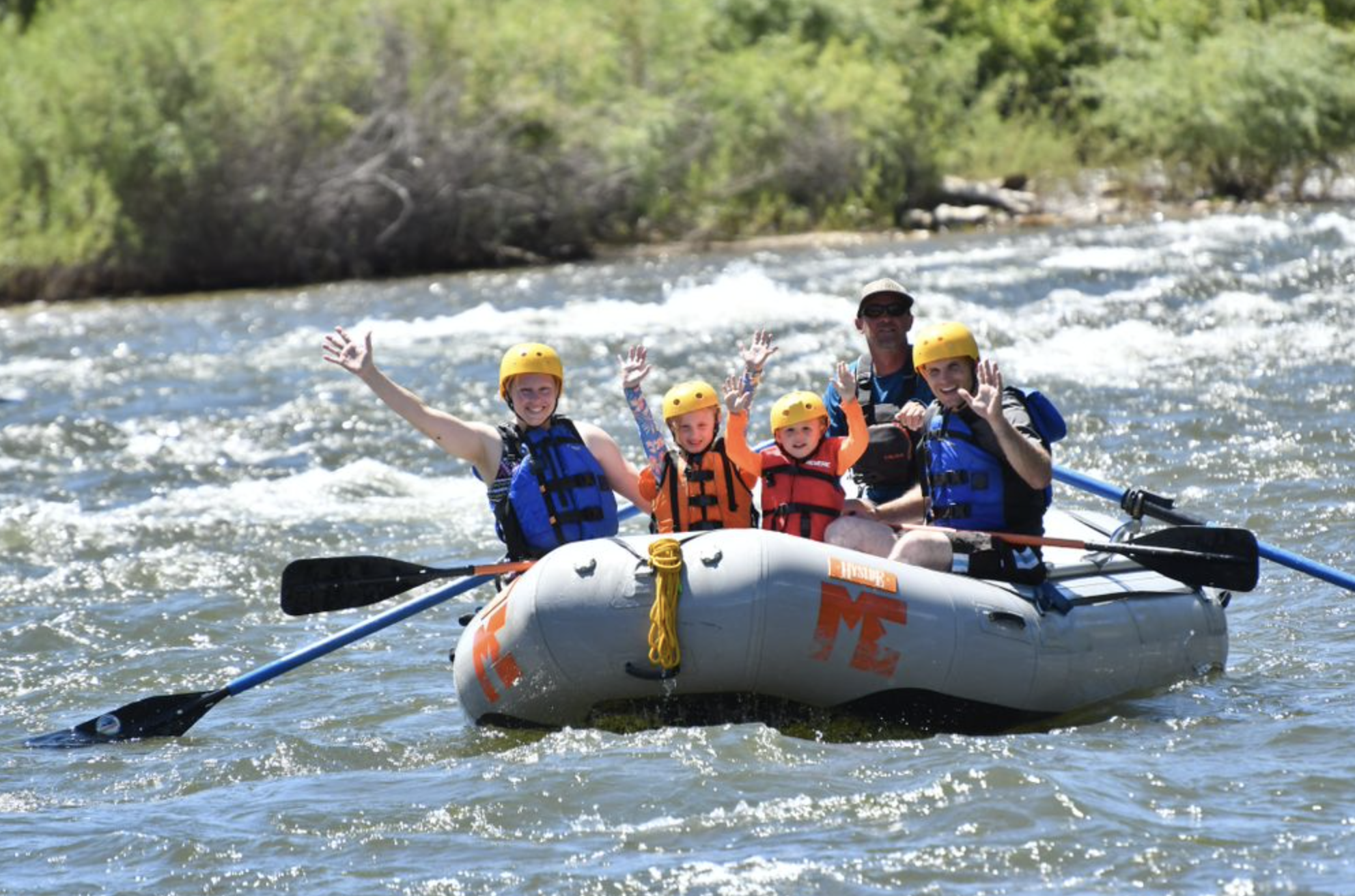
Many rivers offer rafting trips specifically designed for families with children. These trips focus on gentle rapids, wide channels, and scenic stretches that allow kids to enjoy the experience without overwhelming intensity.
Families with younger children or anyone new to rafting often enjoy a Salida Valley float trip, which combines gentle Class I–II rapids with wide, scenic stretches of river.
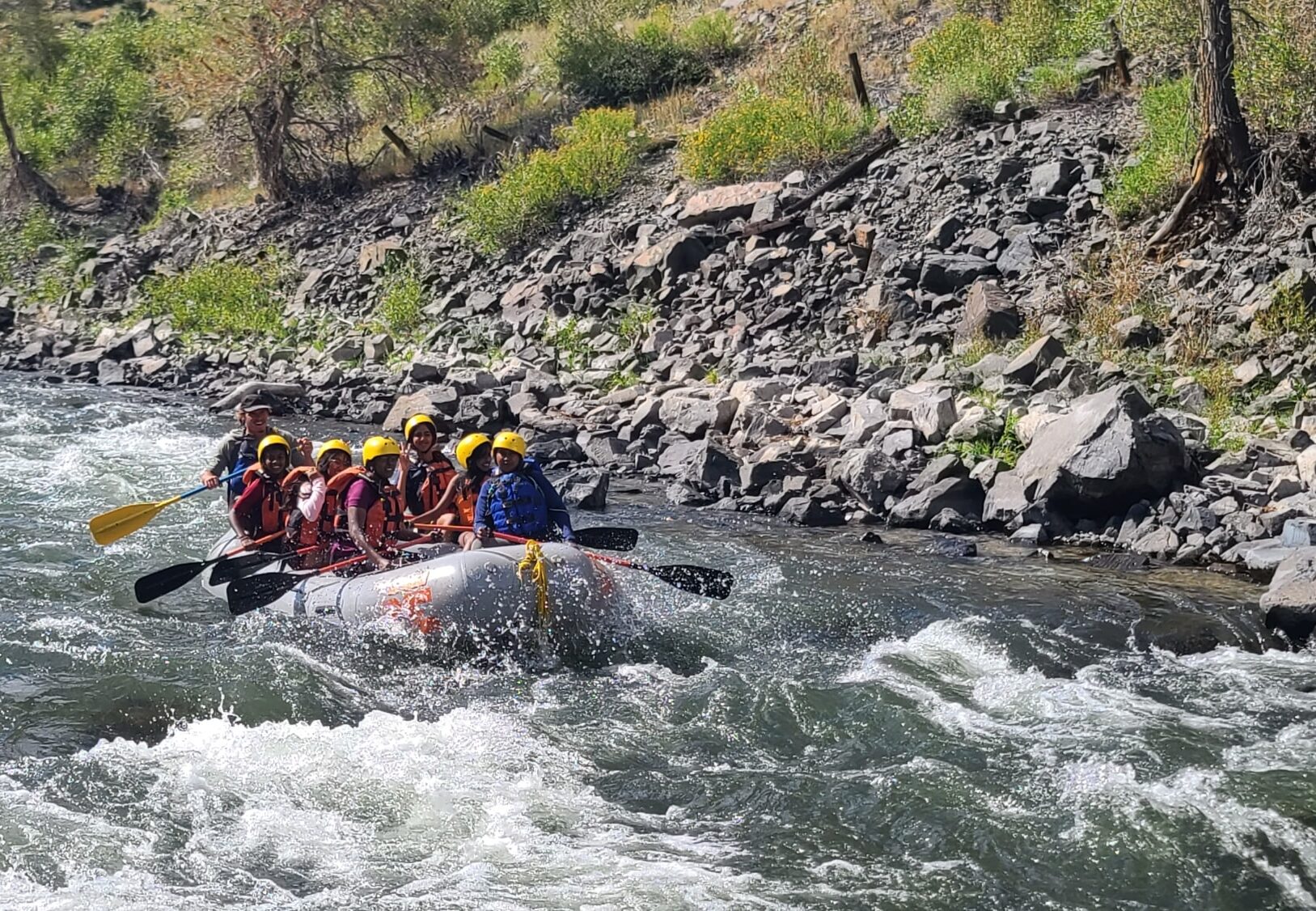
For guests who want something more exciting than a float but still beginner-friendly, Bear Creek rafting offers playful rapids and faster-moving water without the intensity of advanced whitewater.
Browns Canyon can also offer a step up from Bear Creek, but still be appropriate for most kids, especially mid to late summer.
Family rafting trips are ideal for:
-
First-time rafters
-
Kids meeting the minimum age requirement
-
Groups looking for a shared outdoor adventure
Always check minimum age and weight requirements, which vary by river section and water levels.
If you’re rafting with kids or joining us for your first river trip, we offer sections designed to be fun, safe, and memorable—without overwhelming intensity.
Choosing the Right Rafting Trip
The best rafting trip depends on your group’s comfort level, physical ability, and sense of adventure.
Ask Yourself:
-
Is this your first rafting trip?
-
Are kids or non-swimmers in your group?
-
Do you want scenic relaxation or adrenaline?
-
How physically active do you want to be?
A good outfitter will help match you with the right river section, not just the most intense option.
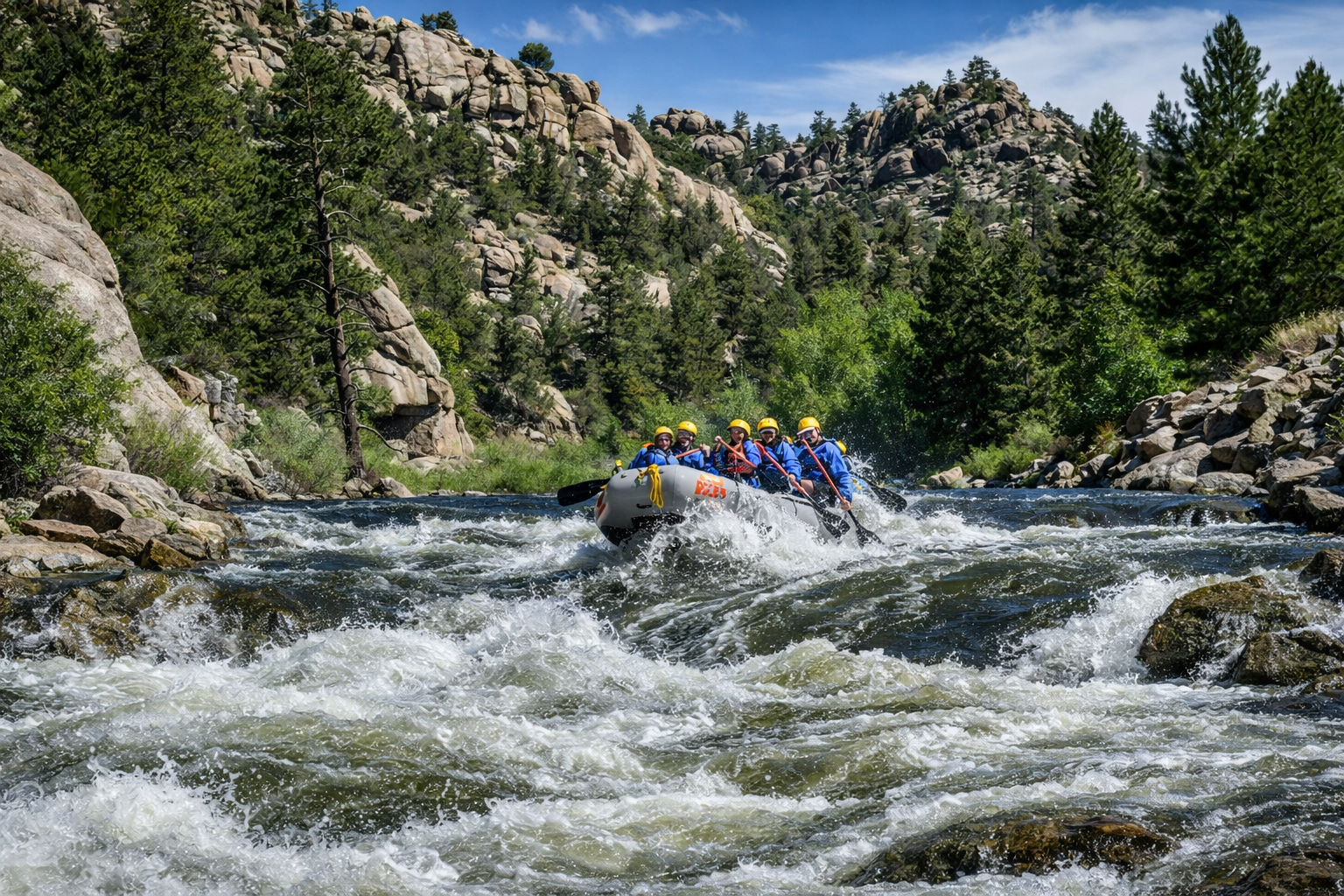
If you’re looking for a balance of exciting whitewater and incredible scenery, Browns Canyon Rafting is one of the most popular sections on the Arkansas River, offering splashy Class III rapids through a protected canyon.
When Is the Best Time to Go Rafting?
Rafting season generally runs from spring through summer, with conditions changing throughout the season.
Seasonal Overview
-
Spring / Early Summer
Higher water from snowmelt means bigger waves and more excitement. -
Mid-Summer
Moderate flows balance fun rapids with accessibility—great for families. -
Late Summer
Lower water offers technical paddling, clearer channels, and warmer days.
Each time of year has its own advantages, and experienced guides adjust trips to match conditions.
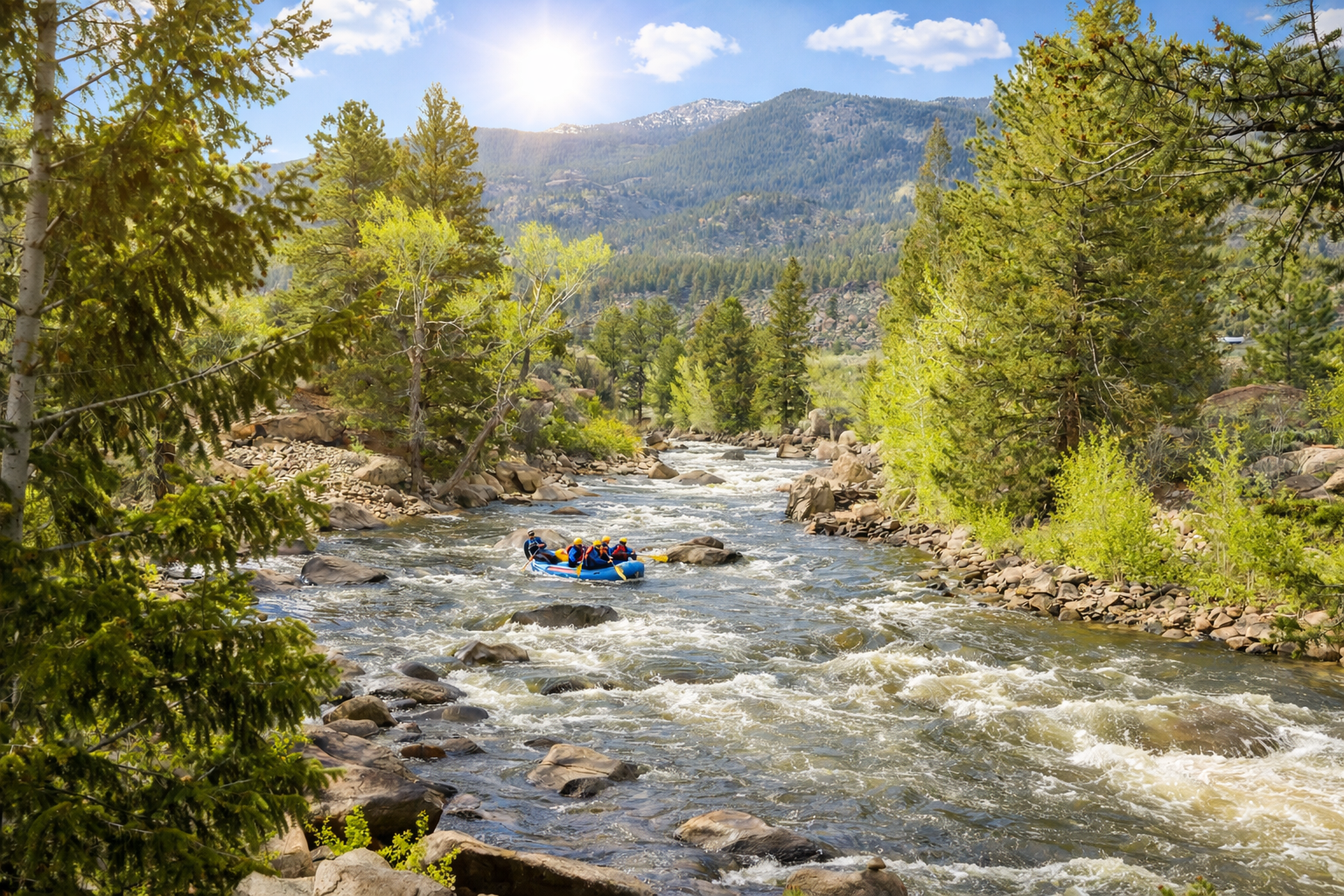
Seasonal snowmelt and weather patterns play a major role in Arkansas River rafting, with spring and summer offering different water levels and rafting experiences.
Not Sure Which Rafting Trip Is Right for You?
Every rafting trip on the Arkansas River offers something different. From calm scenic floats to exciting whitewater, choosing the right section depends on your group, comfort level, and sense of adventure.
Tap to find the perfect rafting trip in about 30 seconds
Find Your Perfect Rafting Trip
Answer 4 quick questions. We’ll recommend the best stretch of river for your group.
Why Guided Rafting Is Better Than Going Alone
While private boating is popular among experienced paddlers, guided rafting offers major advantages:
-
Local river knowledge
-
Professional safety training
-
High-quality equipment
-
Logistics handled for you
For most people—especially visitors—guided rafting delivers maximum fun with minimal stress.
Booking with professional guided rafting trips ensures you’re equipped with proper safety gear, experienced river guides, and trips matched to current water conditions.
How to Prepare for Your Rafting Adventure
A little preparation goes a long way.
Before Your Trip
-
Eat a light meal
-
Hydrate
-
Arrive on time
-
Listen closely to your guide
You don’t need prior experience—just a willingness to participate and have fun.
Common Rafting Myths (Debunked)
“You need to be super athletic.”
False. Many trips are suitable for all fitness levels.
“Rafting is dangerous.”
Guided rafting is statistically very safe.
“You’ll fall out constantly.”
Most guests stay in the raft the entire trip.
“It’s only for thrill-seekers.”
Scenic floats are just as popular as whitewater runs.
Why Rafting Is One of the Best Outdoor Adventures
Rafting combines excitement, scenery, teamwork, and accessibility in a way few activities can match. You don’t need experience, expensive gear, or weeks of training - just show up and paddle.
Whether you’re looking for a peaceful float or a pulse-pounding whitewater experience, rafting offers a unique connection to rivers and landscapes that can’t be replicated any other way.
Final Thoughts: Is Rafting Right for You?
If you enjoy the outdoors, want a shared adventure, and like the idea of experiencing a river up close, rafting is absolutely worth it. With options ranging from gentle floats to advanced whitewater, there’s truly a rafting trip for everyone.
Booking with a professional, local outfitter ensures your trip is safe, well-run, and tailored to your group - so you can focus on enjoying the ride.
Ready to Experience the Arkansas River?
Whitewater Rafting FAQs
Common questions from first-time rafters and families planning a guided river trip.
Is whitewater rafting safe for beginners?
Yes. Guided rafting trips are designed to match experience levels, and first-time rafters are welcome on beginner-friendly river sections. Professional guides, proper safety equipment, and pre-trip instruction help ensure a safe and enjoyable experience. Of course like any outdoor activity, there are inherent risks.
What is the minimum age for rafting?
Minimum age varies by river section and current water levels. Family-friendly trips often allow younger children, while more advanced whitewater has higher age requirements. We’re happy to help you choose the best trip for your group.
Do I need to know how to swim to go rafting?
No. Guests wear life jackets at all times, and guides provide safety instructions before the trip. While basic comfort around water is helpful, swimming ability is not required on guided rafting trips.
Will I fall out of the raft?
Most guests stay in the raft for the entire trip. Falling out is uncommon on guided trips, but guides train everyone on what to do if it happens so you know exactly how to respond.
What should I wear whitewater rafting?
Wear quick-dry clothing and secure footwear, and avoid cotton. Expect to get wet. Depending on weather and water temperature, additional layers or river gear may be recommended.